
 The Most Dangerous Intersections in New York
A sudden stop on the Hutchinson River Parkway after happy hour. Flashing police lights and the distant echo of a siren grow closer. The next minute, you’re being charged with driving while intoxicated. If you or a loved one gets caught up in the DWI arrest process in NY, the moments that follow can feel confusing and intimidating. Knowing what happens during a DWI arrest and afterward can help you stay grounded, protect your rights, and make informed decisions throughout the ordeal.
This guide explains the New York DWI procedure, from the initial traffic stop to the procedures that follow.
The Traffic Stop: The First Step in a DWI Arrest
Many arrests for impaired or intoxicated driving begin with a routine traffic stop. Officers in New York are trained to observe signs of impairment, such as:
- Erratic driving, such as swerving, sudden stops, or inconsistent speeds;
- Physical signs such as bloodshot eyes, slurred speech, or the smell of alcohol; and
- Failure to obey traffic signals or lanes.
After stopping your vehicle, the officer will likely ask questions. They will observe your physical appearance during this interaction, and if they suspect impairment, they may ask you to exit the vehicle to perform field sobriety tests.
Field sobriety tests are physical exercises law enforcement uses to assess physical coordination and cognitive abilities. Such exercises include walking a straight line, balancing on one leg, and tracking a moving object with your eyes. The officer’s observations during the exercises help determine if there is reasonable cause for arrest. While voluntary, refusing to perform these tests can carry some negative consequences.
What Happens When You Are Arrested for DWI: The Arrest Process
You will be arrested if an officer has probable cause due to your behavior, test results, or admission. The arrest procedure in New York typically includes:
- Informing you of the arrest and its reason;
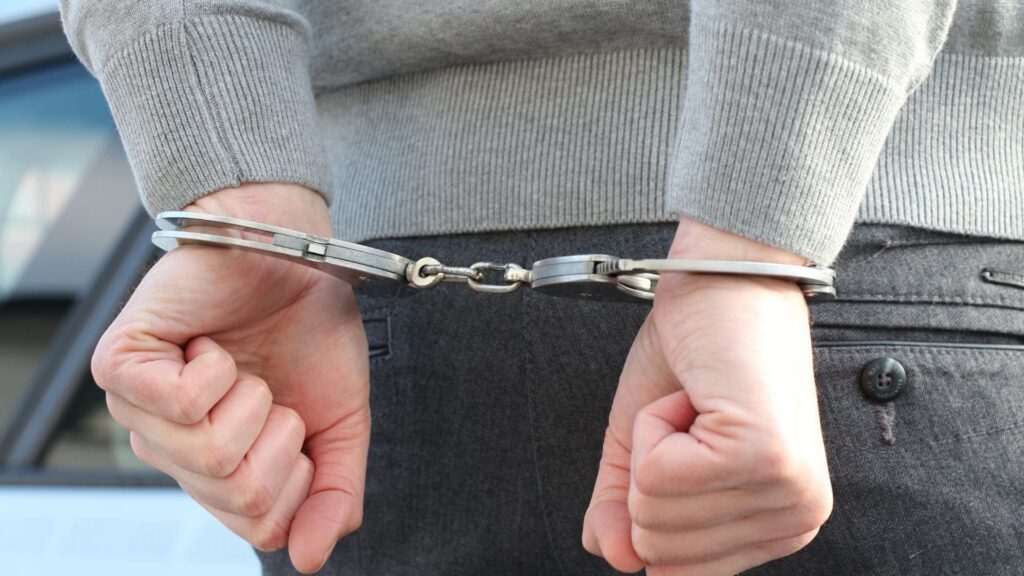
- Handcuffing and reading your Miranda Rights; and
- Transporting you to a local police station or DWI processing center.
At the station, the DWI process in New York requires a chemical test to determine your blood alcohol concentration (BAC).
Chemical Testing: Breathalyzer and Beyond
New York’s implied consent law means that by driving, you have consented to chemical tests if suspected of DWI. Types of chemical tests include the following:
- Breathalyzer test—most common, quick, and non-invasive;
- Blood test—used if breath tests aren’t possible or reliable, or if the officer suspects that you have used drugs and not alcohol; and
- Urine test—less common, but may be requested in some cases.
Chemical test results are vital evidence in a DWI case. A BAC of 0.08% or higher typically results in DWI charges, but lower levels can also result in charges if you appear impaired.
Refusing a chemical test triggers an automatic license suspension, often lasting 12 months. Your refusal can also be used as evidence against you in court.
Booking and Detainment
After testing, you’ll go through the booking process where you are fingerprinted, photographed, and asked for your personal information for the record. You may sometimes be held in custody for several hours or until sober enough to be released.
First-time DWI offenders in New York are typically released on their own recognizance or with bail. More stringent conditions may apply to repeat offenders or those involved in severe accidents.
Post-Arrest Procedures: License Suspension and Court Appearance
Following the arrest, the New York Department of Motor Vehicles (DMV) acts swiftly. Under the Driver’s License Compact and state law, your driver’s license will be suspended or revoked based on:
- Chemical test refusal,
- BAC levels above the legal limits, or
- Prior DWI convictions.
You will receive a Notice of Suspension and have the right to request an administrative hearing, but you must do it right away. In most cases, you only have a 10-day window, and missing it means you give up your right to challenge the suspension.
Your next legal step is an arraignment, which is followed by a pretrial conference. If your lawyer negotiates an advantageous outcome—such as a dismissal, reduction of charges, or good plea offer—you can resolve your case. If no resolution is reached, you can choose to proceed to trial.
Common Penalties and Legal Consequences
The consequences can hit hard and fast if you’re facing a DWI charge in New York. Your BAC, past offenses, and the details of your arrest all play a role in what you might be up against. Here’s a glimpse of what could be on the line:
- License suspension. Expect to lose your driving privileges for at least 90 days for a first offense.
- Fines. You could be looking at fines ranging from $500 to over $1,000.
- Potential jail time. Jail time is a real possibility, especially if this isn’t your first offense.
- Mandatory programs. You’ll likely be required to attend a Victim Impact Panel or a DWI school.
The penalties get even tougher if your BAC was 0.18% or higher, if you had a child in the car, or if your impaired driving caused injuries.
How Greenspan & Greenspan Injury Lawyers Support You Through the DWI Process
At Greenspan & Greenspan Injury Lawyers, we understand how a DWI arrest can change your life. Since 1959, our firm has successfully defended New Yorkers in criminal defense and traffic cases. Our attorneys are well-versed in New York’s DWI statutes and DMV administrative procedures, allowing us to:
- Analyze the legality of the traffic stop and arrest,
- Challenge unreliable sobriety or chemical tests, and
- Advocate for the best possible outcomes, including reduced charges or alternative sentencing.
We guide you through each legal step with personalized attention so you never feel alone.
We Help You Take Back Some Control
Don’t wonder what happens when you are arrested for DWI. Our knowledgeable and proven team stands ready to protect your rights, analyze every detail of your case, and fight for your best possible outcome.