
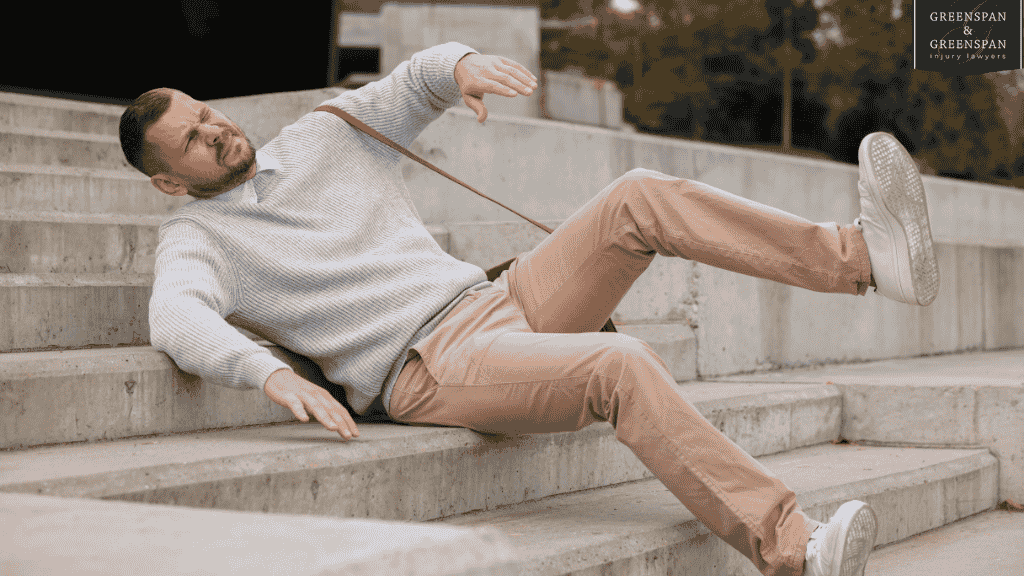


Slip and fall accidents occur in every borough, but the Bronx presents a unique mix of conditions that make them more common in certain buildings, stores, and public spaces. Residents move through older apartment complexes, crowded commercial districts, busy subway entrances, and long stretches of uneven sidewalks every day. When hazards develop and property owners fail to address them, accidents follow. Understanding the common causes of slip and fall accidents in the Bronx helps injured individuals identify what may have contributed to the accident and who may be responsible.
The Bronx is a blend of aging residential buildings, modern retail developments, and public walkways that see heavy daily use. Surfaces wear down quickly, maintenance schedules vary, and severe weather often exposes poorly maintained areas. When a property owner, manager, or maintenance company allows a hazard to remain uncorrected, a fall can happen without warning.
Weather-Related Hazards
Bronx residents know how quickly conditions can shift. Snowstorms, freezing rain, lingering ice patches, and summer downpours all affect sidewalks, entryways, and stairs. When the temperature drops, ice forms near building entrances along Grand Concourse, East 149th Street, and Fordham Road, where foot traffic brings melting snow into indoor lobbies. These wet areas become slick, particularly in older buildings without proper mats or drainage.
Outdoor stairways and ramps also become dangerous when landlords or commercial owners fail to salt or clear them promptly. In multi-unit housing, tenants frequently report delayed snow removal, leading to icy walkways throughout courtyards and parking lots. These weather-related risks are predictable and common causes of slip and fall injuries, which means property owners are expected to address them before someone gets injured.
Poorly Maintained Sidewalks and Walkways
Many sidewalks in the Bronx show signs of age and heavy use. Cracks, sunken slabs, and uneven pavement are common along White Plains Road, Jerome Avenue, and Westchester Avenue. These defects create tripping points for pedestrians, especially near bus stops where crowds form quickly.
In New York City, the law typically places responsibility for most sidewalk maintenance on the adjacent property owner. This rule applies to many fall incidents in the Bronx. An owner who ignores broken concrete, pooled water, or icy surfaces at the entrance of a commercial or residential building may be liable for injuries that occur on that section of the sidewalk. The same applies to walkways leading to stores, apartment buildings, and parking lots, where broken pavement or missing tiles create hazards that can be difficult to notice until it is too late.
Slippery Floors in Retail Stores and Commercial Buildings
Grocery stores, laundromats, pharmacies, and big-box retailers throughout the Bronx experience significant foot traffic on a daily basis. Spills occur frequently. A freshly mopped floor along the aisles of a supermarket on Bruckner Boulevard, a leaking freezer case in a convenience store near Kingsbridge, or tracked-in rainwater around a commercial entrance can all create slick surfaces.
Business owners are required to warn customers of these dangers and clean them in a reasonable amount of time. When staff members fail to place caution signs or allow spills to remain on the floor, customers face an increased risk of slipping and falling. These accidents often occur in fast-paced retail settings where employees are multitasking, and hazards can be overlooked.
Broken or Inadequate Lighting
Poor lighting plays a significant role in many fall incidents in the Bronx. Dim stairwells in older walk-up apartment buildings, unlit exterior steps, and insufficient hallway bulbs make it difficult to see obstacles or changes in flooring. In New York City Housing Authority (NYCHA) developments and older mixed-use buildings, lights may burn out and remain unreplaced for days or weeks.
Shadows can conceal spilled liquids, torn carpeting, missing tiles, or loose debris. The danger increases in long interior corridors, basement laundry areas, and rear exits where lighting is already limited. When property owners fail to maintain proper illumination, tenants and visitors are left vulnerable to preventable missteps.
Damaged Steps, Handrails, and Staircases
Stairway issues are among the most frequent causes of trip and fall accidents in the Bronx. Cracked steps, loose wooden boards, worn carpeting, and missing non-slip treads all create risks. Many falls occur when a handrail is loose or missing entirely, leaving individuals without support when they lose balance.
Older apartment buildings throughout Fordham, Mott Haven, and Belmont often have staircases that date back decades. Weather exposure and heavy daily use also affect outdoor steps leading to brownstones and multifamily homes. If a landlord ignores reports of a broken step or an unstable railing, the likelihood of injuries increases.
Cluttered Hallways and Narrow Walkways
Many Bronx buildings have tight interior spaces, and clutter only increases the likelihood of accidents. Boxes left in apartment hallways, cleaning equipment blocking a basement entry, or merchandise stacked near aisles in small retail shops all contribute to falls. In crowded spaces, individuals often cannot see the hazard until they are already stepping over it.
Clutter also appears in delivery zones behind businesses, near loading docks, or in areas where contractors store tools during renovation projects. Property owners are responsible for keeping walkways clear and ensuring that visitors have a safe path of travel.
Leaks, Plumbing Problems, and Building Maintenance Failures
Water leaks from ceilings, pipes, or radiators frequently cause slippery conditions in residential and commercial buildings throughout the Bronx. Hallways in older high-rise apartments may develop wet spots from dripping HVAC units or plumbing issues. In laundromats, overflowing washers and dryers leave puddles that staff members may overlook.
These hazards often worsen over time. If management fails to repair the underlying issue, water can spread across tile, concrete, or hardwood floors, turning a minor maintenance problem into a serious safety risk.
Sidewalk and Building Entrance Responsibility
In New York City, the law typically places responsibility for most sidewalk maintenance on the adjacent property owner. This rule applies to many fall incidents in the Bronx. An owner who ignores broken concrete, pooled water, or icy surfaces at the entrance of a commercial or residential building may be liable for injuries that occur on that section of the sidewalk.
This rule also applies to storefront entrances near busy corridors, such as Courtlandt Avenue or East 161st Street, where thousands of pedestrians pass through narrow access points each day. With such heavy use, hazards develop quickly, and owners are expected to respond promptly.
Injuries That Often Result from Slips and Falls
Slip and fall injuries can range from mild bruising to more serious medical complications. Falls frequently lead to sprains, fractures, back injuries, and head trauma. Older adults face a heightened risk of severe outcomes, especially when a fall occurs on hard surfaces or down a staircase. These injuries may require long recovery periods and disrupt daily routines and employment.
Understanding Liability in Bronx Slip and Fall Cases
Many of these common causes of slip and fall accidents appear throughout the Bronx. However, liability depends on whether the property owner, manager, or tenant knew or should have known about the hazard and failed to correct it. A store that ignores repeated complaints about a leak, a landlord who delays repairing broken steps, or a commercial operator who overlooks spill cleanup may be responsible for the resulting injuries. Documenting the scene, gathering witness information, and seeking legal guidance early helps preserve the evidence needed to demonstrate fault.
Greenspan & Greenspan Can Assist After a Bronx Slip and Fall
When a slip and fall causes injury, it can leave individuals facing unexpected medical bills and uncertainty about their next steps. Greenspan & Greenspan has represented injured Bronx residents since 1959. Our team understands how local building conditions, maintenance practices, and property ownership structures affect liability in these cases.
If you were injured in a fall caused by unsafe conditions, contact Greenspan & Greenspan to discuss your options and learn how the firm may assist with your case.


