Red-light or yellow-light crash
Signal phase, camera footage, witness statements, and vehicle positions can help prove who entered the intersection unlawfully.
Free 24/7 Consultation: No Fee Unless We Win
914-559-5834
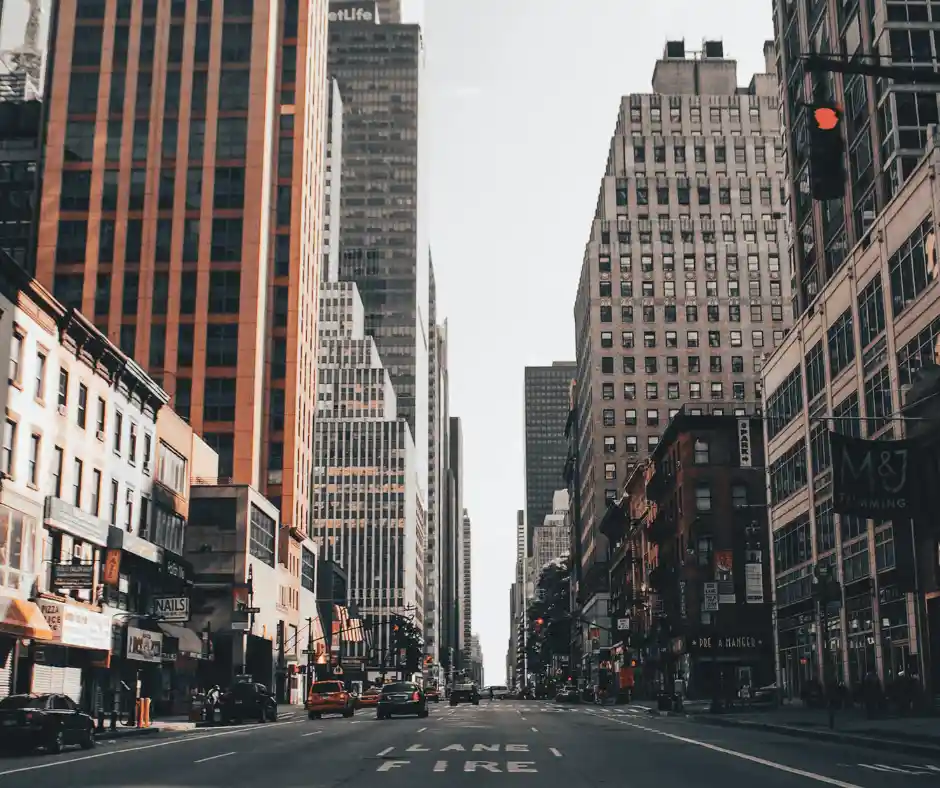
New York State, including the city, comprises a massive network of public roads totaling over 114,000 miles. In New York City alone, the densely populated landscape presents unique challenges to drivers, cyclists, and pedestrians, including some of the most dangerous intersections. Across the state, design flaws, confusing traffic patterns, aging infrastructure, and bustling streets make for the perfect storm of dangerous intersections.
Based on recent municipal traffic and crash data, the following intersections are among the city of New York’s most dangerous intersections.
A crash at Tillary and Flatbush, Queens Boulevard, 42nd and 8th, the Major Deegan, or another high-risk intersection may involve more than driver error. Signal timing, turning patterns, road design, visibility, cameras, and prior crash history can all matter.
Open the location closest to your crash. Each intersection has a different evidence profile, including bridge traffic, expressway ramps, bus corridors, pedestrian density, turning conflicts, or confusing lane patterns.
Downtown Brooklyn traffic near bridge approaches, the BQE, heavy pedestrians, buses, bikes, and complex turning movements can make liability highly fact-specific.
This East New York corridor can involve high vehicle volume, turning traffic, commercial vehicles, crosswalk conflicts, and speeding disputes.
Queensboro Bridge approach traffic, cyclists, buses, pedestrians, and lane-change pressure can create disputes over signals, turns, and right-of-way.
Times Square and Port Authority area traffic often involves taxis, buses, pedestrians, delivery vehicles, rideshare pickups, and sudden lane changes.
Midtown commercial traffic, delivery vehicles, pedestrians, cyclists, and turning vehicles can make camera footage and witness statements especially important.
Wide roadways, fast traffic, turning lanes, pedestrian crossings, and bus or truck movement can create severe T-bone, turning, pedestrian, and rear-end crashes.
Expressway access, Queens Boulevard traffic, merge areas, high vehicle volume, and multi-lane crossings can make fault and road design questions more complex.
Ramp traffic, bridge-area movement, trucks, buses, pedestrians, and turning vehicles near Fordham can make video, signal, and witness evidence critical.
Staten Island Expressway-area traffic, merge patterns, local access roads, and visibility issues can create disputes about speed, lane position, and right-of-way.
Traffic-camera footage, business video, witness memory, vehicle positions, skid marks, debris, and signal-condition details may be lost if no one acts fast.
Dangerous intersections usually involve several moving pieces. The stronger claim is built by matching the crash cause with the right evidence.
Signal phase, camera footage, witness statements, and vehicle positions can help prove who entered the intersection unlawfully.
Turning-driver visibility, oncoming speed, turn arrows, crosswalk timing, and right-of-way evidence may decide liability.
Crosswalk position, walk signal timing, turning movement, bike-lane layout, and driver distraction can become central proof.
Multi-lane roads, expressway approaches, bridge access points, and unclear markings can create avoidable sideswipe or rear-end crashes.
Impact severity, skid marks, traffic-camera footage, black-box data, and witness statements may help prove unsafe speed.
Phone records, police observations, witness accounts, video, and crash timing can help show why the driver failed to react.
After a serious intersection crash, the strongest cases often start with quick evidence preservation and a location-specific investigation.
Look for traffic cameras, MTA bus cameras, building cameras, dashcams, rideshare footage, and nearby storefront cameras. These may overwrite quickly.
Signal timing, turn arrows, lane markings, crosswalk visibility, speed controls, and prior crash patterns may matter if the intersection itself contributed to the crash.
If road design, signal maintenance, construction, a public vehicle, or city/county/state responsibility may be involved, special notice deadlines can apply.
Intersection design, signal malfunction, unsafe road conditions, or public vehicles can create shorter notice deadlines. Get the issue reviewed early.
Greenspan & Greenspan helps injured New Yorkers investigate intersection crashes, preserve evidence, identify every responsible party, handle insurance pressure, and pursue compensation for medical bills, lost income, pain, and suffering.
Past results do not guarantee a similar outcome. Every case depends on the facts, injuries, liability, insurance coverage, evidence, deadlines, and other case-specific issues.
Often cited as the most hazardous intersection in NYC, this junction sees approximately 180 crashes annually. Its proximity to the Brooklyn and Manhattan Bridges and the Brooklyn-Queens Expressway contributes to its complexity and high traffic volume.
This intersection experiences around 130 crashes yearly, making it one of Brooklyn’s most accident-prone areas.
With an estimated 150 crashes annually, this intersection is particularly dangerous due to heavy traffic and complex road layouts.
Due to the high pedestrian and vehicular traffic, this busy Midtown intersection has about 140 crashes yearly.
Approximately 110 crashes occur here annually, marking it a significant hotspot for accidents.
This intersection records about 135 crashes annually, highlighting it as one of Queens’ most dangerous.
Known for its complexity, this junction experiences around 110 crashes annually.
This area is notorious for frequent accidents, with significant crash data underscoring its danger.
This intersection has a notable history of traffic incidents and has been identified as one of the borough’s most hazardous.
Intersections are inherently one of the most dangerous areas on the road. When two or more roads cross one another, with vehicles, bicycles, and pedestrians heading in several different directions, accidents are bound to happen.
Common reasons for intersection accidents include:
In many cases, more than one factor may play a role in a crash. Determining the cause of your accident is one of the key steps in seeking compensation. A skilled New York accident lawyer will help you thoroughly investigate what and who caused your intersection crash.
Traffic safety concerns stretch beyond the city limits and exist throughout the state.
Five dangerous roads outside NYC limits include:
The New York State Department of Transportation and other agencies are charged with continuing to improve these roads and their safety.
Many programs and efforts throughout New York City and the state aim to prevent serious injury and death from motor vehicle accidents. One particular initiative is New York City’s Vision Zero program. This traffic safety initiative, launched in 2014, aims to eliminate all traffic-related deaths and serious injuries. Rooted in the belief that no loss of life on city streets is acceptable, the program focuses on redesigning dangerous intersections, lowering speed limits, enhancing traffic enforcement, and using data to guide safety improvements. It prioritizes the safety of pedestrians, cyclists, and motorists through a shared responsibility approach, emphasizing that both system designers and road users play a role in preventing crashes. Vision Zero aims to make NYC’s streets safer, more livable, and accessible.
If you were injured in a car wreck in a dangerous intersection, you have rights and options available to you. The following steps can help protect your health and potential legal claim:
In addition to taking these five affirmative steps, you should avoid certain things. For instance, you should refrain from posting anything related to the accident or your injuries on social media, as insurance companies may try to use this information against you later. It is also wise to avoid speaking with insurance adjusters before speaking with an attorney.
At Greenspan & Greenspan, we have seen firsthand the devastating impact an intersection collision can have on drivers, pedestrians, cyclists, and their families. When you are hurt by someone else’s mistakes behind the wheel, our attorneys are prepared to step in to help you seek the justice you deserve.
Since our founding in 1959, our firm has worked diligently to help injured New Yorkers navigate their legal rights and heal after an accident. Our attorneys know New York’s roads and laws, and we are ready to be with you every step of the way to recovery. Your fight is our fight. If you were in an accident in one of the worst intersections in New York, contact us to schedule a free consultation today.
Resource List