
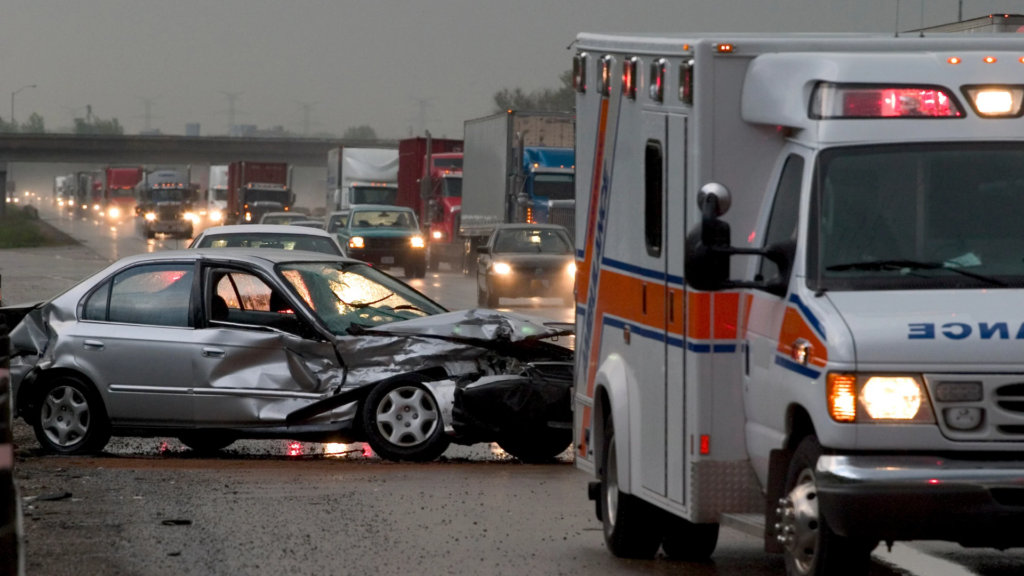

 Steps to Take After Being Involved in a Car Crash in New York
You are driving through an intersection when a city vehicle enters your lane and hits the side of your car. At the scene, you expect the process to work like any other accident, until you start hearing words like agency, municipality, and special claim requirements. Suddenly, the fact that the other vehicle belongs to the government feels like it may change everything.
Greenspan & Greenspan Injury Lawyers understands how difficult it is to deal with an unfamiliar claims process while you are still recovering from the crash itself. We are here to help you understand what needs to happen next and keep the legal process from becoming one more problem you have to manage alone.
Can You File a Claim If You Were Hit by a Government Vehicle in New York?
Yes. You may have a claim if a city, town, or county driver causes a crash that injures you. Government claims have special deadlines, and the driver’s actions may change what you must prove.
Why Does It Matter What the Government Driver Was Doing?
The detail most accident guides skip is what the government driver was doing at the time of the crash. A county worker driving to a job site, a snowplow operator clearing a road, and an officer answering an emergency call face different rules.
Was the Driver Performing Government Duties?
When a municipal employee causes an accident while engaged in road construction, repairs, maintenance, or similar work, including snow removal and street sweeping, the law requires a higher standard to be met to sue: reckless disregard. This means the driver ignored a serious, obvious risk to other people’s safety. A simple driving mistake is not enough to establish responsibility while they are working.
Was the Driver Responding to an Emergency?
Police officers, firefighters, and ambulance drivers have special driving privileges during qualifying emergency operations. For example, they can drive through a red light after slowing down enough to proceed safely, exceed the speed limit without endangering people or property, and make certain turns that other drivers cannot.
However, these privileges do not permit emergency drivers to disregard your safety. If a driver causes an accident while performing one of these permitted emergency maneuvers, the law applies the higher reckless-disregard standard.
Was the Driver Using the Vehicle for Personal Reasons?
If an employee has a take-home vehicle, there are rules governing whether they can use it for personal purposes. If it is allowable conduct, the government may still be held responsible for negligent driving during that trip, depending on the specific circumstances of your accident. Police and fire vehicles are excluded from this situation.
What Steps Should You Take If You Are Hit by a City Vehicle in New York?
If possible, take these actions when it is safe:
- Get medical attention and tell the provider about every symptom;
- Report the collision to police and request the report information;
- Photograph vehicle damage, license plates, traffic signals, road conditions, and the accident scene;
- Ask witnesses for names and contact details; and
- Write down anything you recall about lights, sirens, road work, or unusual driving.
If injuries prevent these steps, an attorney can help you locate the crash report, seek camera footage, dispatch records, or witness accounts. Keep medical bills and records of missed work, or ask someone you trust to help.
What Deadlines Apply to Claims Against Cities, Towns, and Counties?
A government claim requires quick decision-making about a potential lawsuit before you even know if you need to sue or not. This is the best time to call a lawyer to discuss what happened and consult about a potential claim against a government body.
What Is a Notice of Claim?
In many city, town, and county injury claims, you must give the municipality a written notice of claim within 90 days after the accident. The notice describes when, where, and how the collision happened and identifies your known injuries and the losses as far as you know them at that time. You are not expected to know what your total medical bills will cost, if you will need to sue for more than your no-fault insurance covers, or even how your injuries may affect the rest of your life.
How Long Do You Have to File a Lawsuit?
For many municipal injury claims, you generally have 1 year and 90 days from the accident date to begin a lawsuit. You must ordinarily wait at least 30 days after serving the notice of claim before suing. That time climbs to forty days if you are serving the secretary of state. The deadlines differ somewhat if you are suing for wrongful death.
What Happens If You Miss the Notice Deadline?
If you miss the 90-day deadline, you could lose your right to sue the city, town, or county, even if its driver caused the accident. However, missing the deadline does not automatically mean your case is over. You can ask a judge for permission to file a late notice of claim.
The law also limits how long you have to request an extension. If you missed the deadline, call a lawyer as soon as possible to discuss whether you can still move forward with your claim.
What Compensation Can You Seek After a Government Vehicle Accident?
If you were hit by a city vehicle in New York, you can receive no-fault insurance benefits for medical treatment and lost income, regardless of who caused the accident. Basic no-fault insurance provides up to $50,000 per person in combined benefits, which include:
- Medical expenses for necessary treatment, including hospital visits, surgery, physical therapy, medications, and rehabilitation;
- 80% of your lost earnings, up to $2,000 per month for up to 3 years; and
- Up to $25 per day for certain necessary expenses, such as transportation to medical appointments or help with household tasks, for up to 1 year.
The $50,000 limit applies to these benefits combined. If your treatment costs more than your coverage allows, or you lose more income than no-fault replaces, you may be able to recover those additional losses through a personal injury claim.
How Do You Apply for No-Fault Benefits?
If you were driving or riding in a vehicle, you normally file your no-fault claim with the insurance company covering that vehicle. If you were a pedestrian, you file with the insurer or claims administrator for the vehicle that hit you.
To start your claim, you or someone helping you must send written notice to the company handling your no-fault benefits. This notice tells the company who was injured and when, where, and how the accident happened. You generally have 30 days from the date of the accident to provide it. If you miss that deadline, you must explain the reason for the delay in writing.
Can You Recover Compensation for Pain and Suffering?
Yes, if your injuries meet New York’s serious injury requirements. This means you can seek compensation for the physical pain and other effects of your injuries.
New York recognizes eight categories of serious injury:
- Death. The accident causes injuries that result in death.
- Dismemberment. You lose a limb or another body part.
- Significant disfigurement. You suffer a substantial change in your appearance, such as serious, visible scarring.
- Fracture. You break a bone in the accident.
- Loss of a fetus. The accident causes a pregnancy loss.
- Permanent loss of use. You permanently lose the use of a body organ, body part, or bodily function.
- Permanent consequential limitation. You suffer a significant, lasting restriction in how you use a body organ or body part.
- Significant limitation. You experience a substantial restriction in a bodily function or system, even if that restriction is not permanent.
One qualifying injury can meet the requirement. Your medical records, test results, and doctors’ findings can help establish how serious your injuries are.
What Happens If You Were Partly Responsible for the Accident?
If a judge or jury determines you were more at fault than the combined share of the people you sued, then you are barred from recovering any financial damages. If you share responsibility but do not exceed that threshold, the court reduces your damages according to your percentage of fault.
For example, if the court awards $100,000 in damages but finds that you were 20% responsible for the crash, your recovery would decrease to $80,000. This is one reason why photographs, witness accounts, and other evidence about how the accident happened matter.
Why Injured New Yorkers Turn to Greenspan & Greenspan Injury Lawyers When Hit by a Government Vehicle in New York
We have represented injured New Yorkers since 1959, with more than six decades of work on serious accident claims and New York insurance issues. Our attorneys have lectured for the New York State Bar Association and other professional organizations on trial practice, insurance law, and legal ethics. From White Plains to communities across New York, we bring that background to municipal vehicle claims. Your fight is our fight.
Get Answers About Your Government Vehicle Accident Claim
If a city, town, or county driver injured you, we can help you understand your legal options before important deadlines pass. Schedule your free consultation with Greenspan & Greenspan Injury Lawyers. The conversation costs nothing, and it could change everything.
Legal References Used to Inform This Page
To ensure the accuracy and clarity of this page, we referenced official legal and other resources during the content development process:
- Public officers and employees to obey title; exceptions, N.Y. Veh. & Traf. Law § 1103 (2014).
- Authorized emergency vehicles, N.Y. Veh. & Traf. Law § 1104 (2014).
- Notice of claim, N.Y. Gen. Mun. Law § 50-e (2026).
- Presentation of tort claims; commencement of actions, N.Y. Gen. Mun. Law § 50-i (2026).
- New York Department of Financial Services, Consumer FAQs About No-Fault Insurance.
- Causes of action for personal injury, N.Y. Ins. Law § 5104 (2026).
- Damages recoverable when contributory negligence is established, N.Y. C.P.L.R. § 1411 (2026).


