I-287 / Cross Westchester Expressway
Reduced shoulders, high-speed traffic, lane shifts, and merging in tight spaces can make construction-zone crashes more severe.
Free 24/7 Consultation: No Fee Unless We Win
914-559-5834
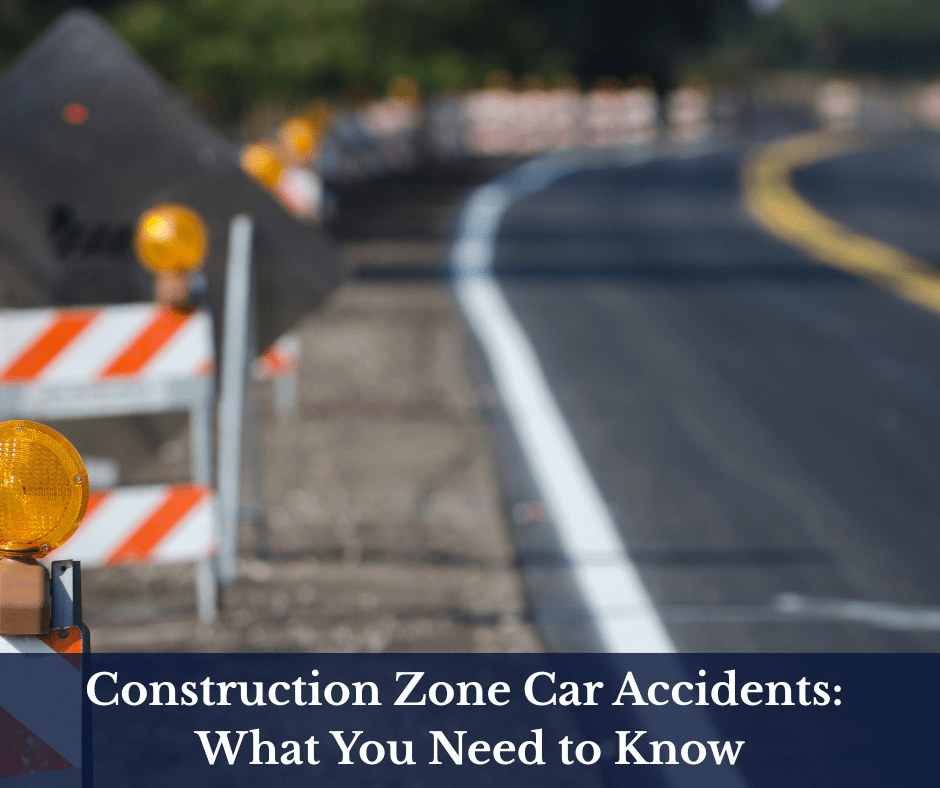
If you were injured in a car accident in a construction zone, you’re not alone, and you’re right to wonder who’s responsible and what to do next. Construction zones pose unique hazards, from abrupt lane shifts to poorly marked detours. When an accident occurs, it can be challenging to determine whether a driver, a construction company, or even a government entity is to blame.
Here’s what you need to know about liability, your legal options, and how to protect yourself after a work zone crash in Westchester County, NY.
Construction zone accidents often involve more than just two vehicles. Poor signage, reduced visibility, sudden lane closures, and inconsistent road surfaces all contribute to the heightened risk. These zones typically feature:
Drivers may be caught off guard by an unexpected change or fail to react in time to slow-moving traffic. In other cases, a negligent contractor or municipality may fail to maintain safe conditions, leading to preventable crashes.
Liability depends on the cause of the accident. In some cases, multiple parties may share responsibility.
Potentially liable parties include:
New York follows a comparative negligence rule, which means multiple parties (including the injured person) can share fault. This makes it even more important to investigate the circumstances carefully.
If you’re involved in a construction zone crash, take these steps to protect your health and your claim:
These cases often require accident reconstruction and expert testimony. The sooner you involve legal counsel, the stronger your case may be.
New York requires construction zones to follow established traffic control and safety standards, including rules for lane markings, barriers, signage, and worker protocols. When contractors or public agencies fail to meet these requirements, the result can be deadly.
A construction company may be at fault if:
Government agencies or municipalities may also share liability if they neglected routine inspections or failed to approve safe construction plans.
Abrupt lane shifts, poor signage, debris, lighting issues, reduced shoulders, contractors, and government road planning can all affect who is responsible after a work zone accident.
Open the factor that sounds closest to your crash. Construction zone cases often require looking at several responsible parties, not just the vehicle that hit you.
Improper lane tapers, unclear merge points, missing pavement markings, or tight traffic patterns can confuse drivers and create preventable crashes.
Warning signs should give drivers enough time to slow down, merge, and understand detours. Poor placement or unreadable signs may support a deeper investigation.
Loose gravel, machinery, road plates, broken pavement, construction debris, and shoulder drop-offs can make a crash more likely, especially at night or in heavy traffic.
Flagger errors, unsafe equipment movement, poor traffic control, or failure to follow work-zone safety plans may point to a contractor or subcontractor.
Another driver may still be responsible if they were speeding, texting, following too closely, ignoring reduced speed signs, or failing to yield in the work zone.
If a municipality, county, state agency, or public road authority may be involved, special investigation and notice deadlines can apply. Do not wait to get it reviewed.
Cones move, signs change, debris gets cleared, and contractors leave the site. The sooner evidence is preserved, the stronger the claim can be.
The article highlights several Westchester County routes where heavy traffic, narrow lanes, confusing detours, reduced shoulders, and nighttime work can increase crash risk.
Reduced shoulders, high-speed traffic, lane shifts, and merging in tight spaces can make construction-zone crashes more severe.
Bridge work, drainage work, sudden stops, and detours can create dangerous conditions for commuters and local drivers.
Winding lanes, paving projects, limited visibility, and nighttime work may make lane changes and sudden slowdowns more dangerous.
Long-term projects, bottlenecks, exit-area confusion, and signage issues can create chain-reaction crash risks.
Construction-zone crashes often require accident reconstruction, site records, contractor information, and fast evidence preservation.
Capture the whole scene, not just vehicle damage. Photograph the approach to the work zone, warning signs, barrels, arrows, cones, lane markings, and where the crash occurred.
Ask for names of workers, contractors, subcontractors, flaggers, and equipment operators if it is safe to do so. These details may be difficult to identify later.
Road-work plans, permits, inspections, complaints, maintenance records, and traffic-control approvals may matter if a public agency or municipality is connected to the crash.
If a public entity may be involved, the article notes that notice requirements may apply within 90 days. Get the deadline checked quickly.
Greenspan & Greenspan helps injured New Yorkers identify every possible source of liability, preserve construction-zone evidence, handle insurance pressure, and pursue compensation for medical bills, lost income, pain, and suffering.
Past results do not guarantee a similar outcome. Every case depends on the facts, injuries, liability, insurance coverage, evidence, deadlines, and other case-specific issues.
Work zone crashes in New York are governed by both traffic laws and labor regulations. Here are some relevant legal standards:
Due to the complexity of these cases, it is critical to have support from an attorney who understands New York traffic and labor law.
In Westchester County, several areas have a higher risk of accidents due to heavy traffic, narrow lanes, and confusing detours. These include:
These locations see high commuter volume and frequent shifts in traffic patterns. Poor visibility, insufficient lighting, and unclear signage contribute to a higher risk of construction zone accidents.
If you were injured in one of these zones, documentation of the site conditions, such as lane layout, barriers, and posted warnings, will be essential in determining liability.
Because many work zones shift and change quickly in Westchester County, drivers should monitor the official NYSDOT Traveler Advisories page and the 511 NY Westchester traffic conditions site. You can also enable Waze (or other real‑time navigation apps) with alerts turned on, so you’re notified of active construction zones or sudden lane shifts. Combining these tools helps you stay aware of evolving risks, avoid areas where road patterns are altered, and reduce the chance of becoming part of a construction‑zone crash.
Crashes in work zones are rarely straightforward. An experienced lawyer can:
Because these accidents often involve municipal agencies or corporate contractors, there may be additional steps or shorter filing deadlines. A local attorney familiar with Westchester County will help your claim stay on track.
If you were hurt in a car accident in a construction zone, do not try to handle the aftermath alone. Whether the crash occurred on I-287, Route 9A, or another Westchester County work site, you have legal rights and options for financial recovery.
Since 1959, the attorneys at Greenspan & Greenspan P.C. have served as trusted and knowledgeable advocates for those who’ve been injured on the roads of Westchester County. Contact our office today to schedule a free consultation with a personal injury attorney who understands the nuances of work zone crash litigation and how to guide you through the steps to recovery.
What is the most common type of crash in a construction zone?
Rear-end collisions are the most common, according to federal highway safety data, largely because traffic slows or stops abruptly near lane closures. Sideswipes during merges and collisions with construction equipment are also frequent.
Who is liable for a car accident in a construction zone in New York?
It depends on the cause. Liability can fall on another driver, the construction company, a subcontractor, an equipment operator, or a government agency responsible for signage and road design. Because New York follows pure comparative negligence, more than one party, including you, can share fault, and your recovery is reduced by your percentage of fault rather than barred.
I was injured while working in a road construction zone. What are my options?
You may be able to claim workers’ compensation through your employer and, separately, bring an injury claim against a negligent third party such as the driver who hit you or another contractor on site. New York Labor Law may also apply if site safety rules were violated.
How long do I have to file a claim after a construction zone crash in New York?
The general personal injury deadline is three years, but if a city or state agency is a potential defendant you usually must file a notice of claim within 90 days. Missing that shorter deadline can end the claim, so act quickly.
What should I do right after a construction zone accident?
Call 911 and get medical care, photograph the scene including signage, cones, and lane layout, collect witness and on-site worker information, get the police report, avoid admitting fault, and contact an attorney before speaking with insurers.