Dashcam and Witness Video
Capture road conditions, median crossings, and the positions of the vehicles before they are moved off the narrow lanes.
Free 24/7 Consultation: No Fee Unless We Win
914-559-5834
By Michael Greenspan, Esq., Westchester County Personal Injury Attorney. Last Reviewed & Updated: September 2026
The Taconic State Parkway is one of the most beautiful and dangerous roadways in Westchester County. Known for its scenic views and narrow, winding lanes, this historic parkway was never designed to accommodate the size, speed, and volume of modern-day traffic.
Unfortunately, this mismatch has led to a disturbing number of serious Taconic State Parkway accidents, many resulting in catastrophic injuries and fatalities.
If you were hurt in a crash on the Taconic or if you lost a loved one in a tragic accident, you are not alone, and you may have legal options.
The Taconic is dangerous mainly because of four things: 1930s road geometry, narrow lanes and blind curves, no shoulders or median in long stretches, and modern traffic volumes it was never built for.
Built in the 1930s as part of a scenic route connecting New York City to upstate parks, the Taconic State Parkway was initially meant for leisurely drives in much smaller vehicles. Today, it’s a commuter corridor packed with fast-moving traffic and a reputation as one of the deadliest roads in New York.
The dangers of the Taconic are baked directly into its design. While the state has made incremental safety improvements over the decades (like removing most at-grade intersections), the core footprint of the 104-mile parkway remains largely unchanged from the mid-20th century.
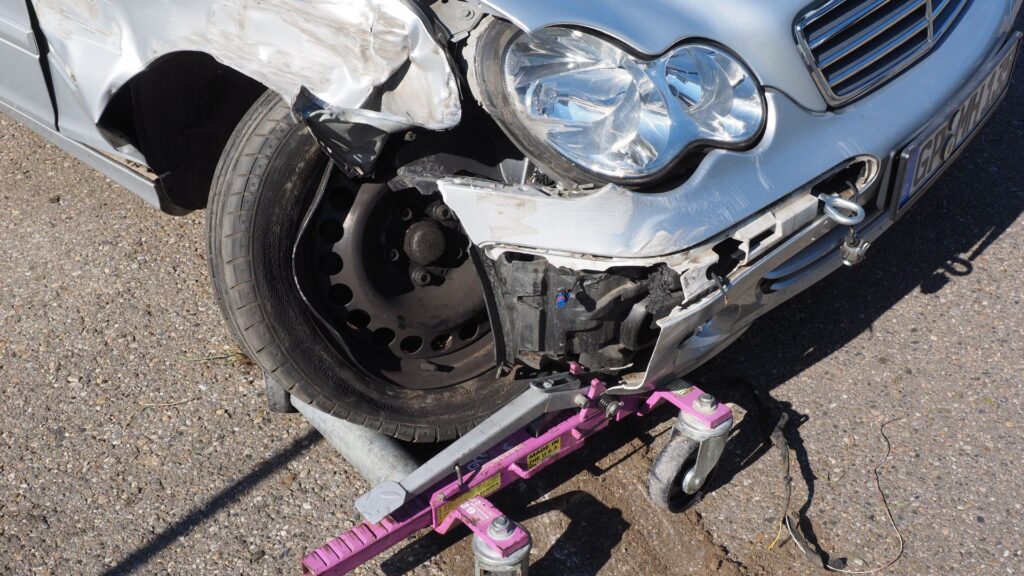
Taconic State Parkway crashes are often more complex than a standard fender-bender. Narrow lanes, sharp curves, wooded terrain, confusing ramps, sudden stops, and limited shoulders can all shape how the crash happened and who may be responsible.
Because New York’s 2026 motor-vehicle reforms can bar recovery if you are found more than 50% at fault, preserving scene evidence before it disappears is critical to protecting your claim.
Capture road conditions, median crossings, and the positions of the vehicles before they are moved off the narrow lanes.
Ensure state troopers accurately document the specific mile marker, weather, and older parkway geometry, including missing or limited shoulders.
Document the lack of guardrails, tight curves, blind spots, vehicle damage, debris, signage, lighting, and any roadway conditions that contributed to the crash.
Open the factor closest to your crash. The Taconic’s roadway conditions can affect liability, fault arguments, and the type of investigation needed.
Older parkway geometry can leave little room to correct a mistake. Curves, lane width, speed, sight distance, and final vehicle positions should be documented.
Limited shoulder space can turn a small driving error into a serious crash involving trees, guardrails, or another vehicle.
Side-road entries, merge points, and confusing exits can create high-speed T-bone, side-impact, or failure-to-yield crashes.
Because the Taconic runs through wooded and hilly terrain, weather and visibility can quickly affect traction, lane control, and stopping distance.
Sudden stops, aggressive lane changes, and rear-end crashes can occur during heavier commuting periods near areas like Yorktown, Ossining, and Mount Pleasant.
If a truck, cargo van, trailer, or commercial vehicle was involved, the investigation should review whether it was permitted on the parkway and whether company records matter.
Weather, signage, guardrails, lane markings, curves, visibility, and crash sequence can all shape how responsibility is evaluated.
The type of crash can point to different evidence: speed, visibility, road design, following distance, vehicle defects, or driver behavior.
Lane drift, no divider, wrong-way travel, impairment, visibility, and curve design may all need review.
Sharp curves, speed, narrow shoulders, tire failure, evasive maneuvers, and guardrail impact can matter.
Sudden congestion, following distance, distracted driving, brake lights, and traffic flow should be documented.
At-grade entries, failure to yield, confusing ramps, and sight-line problems may explain the collision.
Single-car crashes can still involve another driver, road conditions, poor lighting, sudden obstruction, or vehicle defects.
Police reports, toxicology, 911 calls, roadway entry points, and witness accounts can be critical.
A serious parkway crash can involve driver negligence, roadway conditions, vehicle defects, or a prohibited commercial vehicle.
Speeding, texting, impairment, failure to yield, unsafe lane changes, or following too closely can create liability.
Poor signage, inadequate maintenance, unsafe conditions, or confusing roadway design may require early notice and investigation.
Defective tires, brakes, steering, airbags, or other vehicle components may need to be preserved and inspected.
Truck, van, trailer, company-driver, or delivery-vehicle involvement can raise parkway restriction and employer-liability questions.
Chain-reaction crashes require careful review of impact sequence, fault percentages, and insurance coverage.
If a public road condition, agency vehicle, or government maintenance issue may be involved, shorter notice deadlines may apply.
The Taconic’s layout, history, road conditions, vehicle type, and crash sequence can all affect liability.
Greenspan & Greenspan can review the accident report, exact Taconic location, road design issues, weather and visibility, vehicle damage, witness information, medical records, insurance coverage, and any government-notice concerns tied to your crash.
A local investigation can help review photos, video, witness accounts, vehicle data, medical proof, road-condition issues, and insurance arguments before the claim is shaped against you.
This content is for general information only and is not legal advice. Taconic State Parkway accident claims depend on the facts, injuries, liability, road conditions, medical proof, insurance coverage, deadlines, and available evidence.
Here are some of the key factors that make the Taconic especially hazardous.
The parkway’s narrow lanes, sharp curves, and lack of proper shoulders are relics of a bygone era. Most sections were constructed before modern traffic engineering standards existed. That leaves drivers with very little room to react when something goes wrong.
Tens of thousands of vehicles travel the Taconic daily. The volume far exceeds what the roadway was designed to handle. During peak hours, especially near Westchester towns like Yorktown, Ossining, and Mount Pleasant, congestion can lead to sudden stops, aggressive lane changes, and rear-end collisions.
The Taconic has several outdated and confusing entrances and exits—including at-grade intersections that can be incredibly dangerous. Many fatal Taconic State Parkway accidents have occurred when vehicles entered the parkway from side roads without yielding properly, leading to high-speed T-bone crashes.
The parkway runs through heavily wooded and hilly terrain. Fog, snow, and rain can dramatically reduce visibility and traction, especially on sharp turns or steep grades. With no center median or adequate lighting in many areas, drivers may unintentionally drift into oncoming traffic.
According to state police data reported by Patch, there were 2,080 crashes on the parkway over three years, predominantly occurring in Putnam and Westchester counties. High speeds on an antiquated road are a major factor—troopers issued nearly 54,000 speeding tickets over a seven-year span in those same areas.
Certain interchanges are particularly hazardous. The Peekskill Hollow Road interchange forces cars to navigate a steep drop into a ravine with a sharp turn flanked by stone walls. Further north in Putnam Valley, the at-grade crossing at Pudding Street has long been notorious for severe collisions and wrong-way drivers, as detailed by the Daily Voice, eventually requiring state funding for an overpass.
Accidents on the Taconic tend to be high-impact and often involve multiple vehicles. Some of the most common crashes include:
Many of these accidents result in traumatic injuries, including brain damage, spinal cord injuries, internal organ damage, and severe fractures.
it is critical to work with attorneys who understand both the local roadway issues and the legal landscape in Westchester County.
Recovering compensation for serious injuries on the Taconic recently became much more complex. On May 26, 2026, New York enacted sweeping tort reform for motor vehicle accidents. Here is how liability works now:
Driver Negligence and the New “51% Bar”
Most Taconic crashes are caused by driver error (speeding, tailgating, or distracted driving). If you suffer a “serious injury,” you can step outside the no-fault system and sue the at-fault driver.
However, under the new CPLR § 1411(b), New York is now a modified comparative negligence state for car accidents. This means:
Insurance companies will now fight harder than ever to pin 51% of the blame on you to avoid paying. Having a lawyer who can secure dashcam footage, witness statements, and accident reconstruction data is now critical.
(Note: The 2026 reforms also eliminated the older “90/180-day” serious injury category, meaning you now must prove a more definitive serious injury, such as a fracture or significant limitation of a body system, to sue.)
Liability of New York State (Road Design and Maintenance)
Because the Taconic is a state-owned parkway, the State of New York is responsible for maintaining it. In rare circumstances, the state can be held liable if a crash was directly caused by negligent maintenance (e.g., a massive pothole, missing signage, or a degraded guardrail). Suing the state requires filing a Notice of Intention to File a Claim in the New York Court of Claims within 90 days of the accident.
If you or a loved one were involved in a crash on the Taconic, here are important steps to take:
Knowing what to do after a crash can help protect your legal rights, especially if you believe the other driver was at fault.
One of the most horrific Taconic State Parkway accidents occurred in 2009 when a minivan traveled nearly two miles in the wrong direction before colliding head-on with an SUV. Eight people were killed, including four children. Investigators later determined the driver was intoxicated—a tragic example of how dangerous this parkway can become when impaired or reckless driving is involved.
At Greenspan & Greenspan, we have a long-standing connection to Westchester County and an in-depth understanding of the challenges presented by these roads. Our firm has represented countless clients injured in Taconic State Parkway accidents, and we know how to investigate these crashes, identify liability, and pursue meaningful compensation.
We are a local, family-owned law firm that’s been advocating for New Yorkers since 1959. Our attorneys live and work in the same communities as our clients, and we bring that personal connection to every case we handle.
If you were hurt on the Taconic or lost a loved one in a tragic accident, let us help. Call Greenspan & Greenspan today for a free consultation. We’ll answer your questions, explain your rights, and fight for the justice you deserve.
The parkway was designed in the 1930s for slower, smaller vehicles. It features incredibly narrow lanes, sharp blind curves, almost no paved shoulders, and stretches without median barriers. It is fundamentally unsuited for the volume and speed of modern commuter traffic.
As of May 2026, you can only recover damages if you were 50% or less at fault for the accident. If you are found to be 51% or more responsible, New York law completely bars you from recovering compensation for pain and suffering.
In most cases, a negligent driver (who was speeding, distracted, or following too closely) is liable. In highly specific cases involving poor road maintenance or missing safety features, the State of New York could potentially share liability.
Yes, but it is very difficult. You must prove the state was negligent in maintaining the road and that this negligence directly caused your crash. Crucially, you must file a Notice of Intention to File a Claim in the NY Court of Claims within just 90 days of the accident.