
 How to Beat a DWI Charge in New York
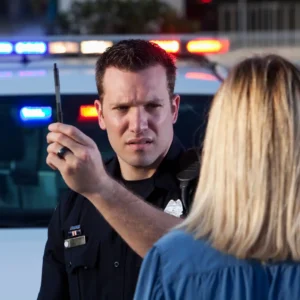
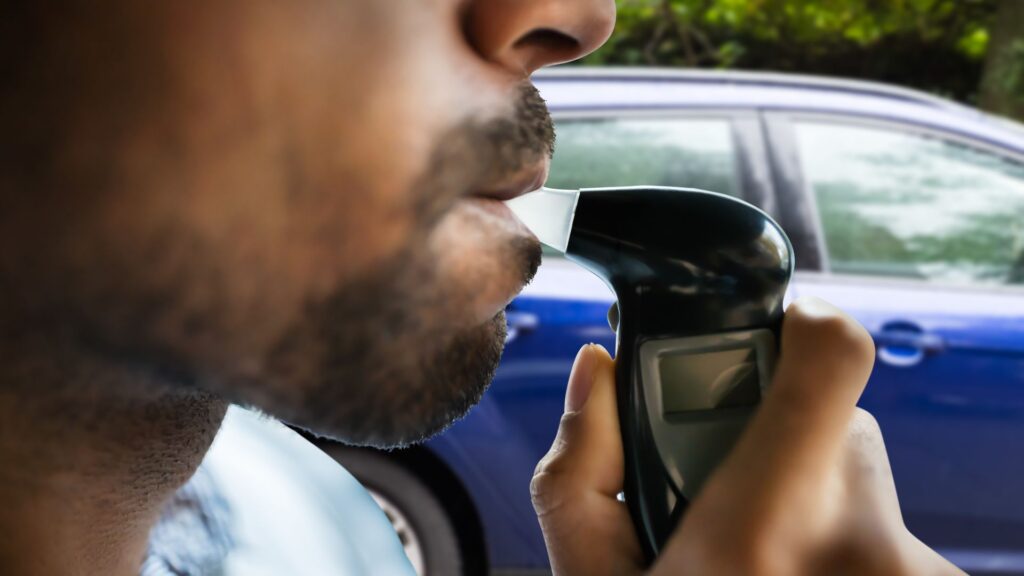
You’re driving home after a night out with friends. You feel fine, but suddenly, you see flashing lights in your rearview mirror. A police officer pulls you over, does an investigation, and then detains you for DWI. At the station, officers ask you to take a breathalyzer test. You may think you can refuse this test because you have the right to remain silent. However, when it comes to New York State law, the situation is not that simple.
Can you reject a breathalyzer test? Yes, technically, you can refuse a post-arrest chemical test in New York, but doing so may result in separate administrative penalties, including license revocation and civil penalties, and the refusal may also be used against you in court. A moment of indecision and fear that results in a refusal can have serious legal ramifications that many people do not realize. We explain what the law says about refusing a breathalyzer, the risks, and how to defend yourself after refusing.
Understanding Implied Consent and the Right to Refuse a Breathalyzer
In New York and throughout the U.S., driving is considered a privilege, not a right. This principle forms the basis of the state’s implied consent DWI laws. To maintain this privilege, drivers agree to follow specific regulations, including submitting to a chemical test if a police officer suspects they are driving under the influence.
It’s a common misconception that all chemicalbreath tests are the same. The state uses two types of tests, and understanding the difference is crucial. The first is a portable breath-screening test, which an officer may ask you to take on the side of the road. New York law treats roadside breath screening differently from the formal post-arrest chemical test. The post-arrest test is the one that triggers implied-consent consequences under New York law.
If the officer has reasonable grounds to believe you are intoxicated, based on observations of your driving, performance on field sobriety tests, or other signs of impairment, they can arrest you. Once you are arrested, they can request a second, more formal chemical test at the police station.
This second test is where New York’s implied consent law comes into play. You have already consented to take this test by having a driver’s license. While you can still refuse, doing so triggers administrative penalties from the New York State Department of Motor Vehicles (DMV), including an automatic license revocation and fines, regardless of the outcome of your DWI case.
What Happens If You Refuse a Breathalyzer in NY?
Refusing the formal chemical test of breath, blood, urine, or saliva is handled administratively through the DMV, apart from the criminal charge, and refusal can be used as evidence in thea criminal DWI case.
If you refuse the formal test, you will suffer some consequences. The DMV will suspend your license. You can fight this at an administrative hearing conducted by the DMV, which is entirely separate from your criminal DWI case.
The purpose of this hearing is to determine whether the officer had a lawful basis for the request, whether proper warnings were given, and whether a refusal occurred under New York law. If the hearing officer upholds the suspension, the repercussions can be significant. Chemical test refusal penalties for a first-time offense include:
- License revocation. Your driver’s license will be revoked for at least one year. Unlike a suspension, revocation means your driving privileges are completely canceled, and you must reapply for a new license after the revocation period.
- Civil penalty. You will face a civil penalty of $500 and any other fines or surcharges related to your DWI case.
- No conditional license. Unlike a suspension for a DWI conviction, you are generally not eligible for a conditional license to drive to and from work or school during this administrative revocation period.
This can be somewhat confusing, so consult your attorney to determine your eligibility.
Repeat offenders face harsher penalties. A second refusal, especially if there’s a prior alcohol-related conviction or a previous refusal within the last five years, can result in:
- Extended license revocation. Your driver’s license will be revoked for at least 18 months.
- Increased civil penalty. The civil penalty for the refusal rises to $750.
It is important to remember that these administrative penalties from the DMV are separate from any criminal penalties you may face for the underlying DWI charge.
Why Refusing May Not Help Your Case
Some drivers believe a DWI breath test refusal prevents a DWI conviction, but this is largely inaccurate. Police can still arrest you based on other evidence, including field sobriety tests, officer observations, and witness statements. And if your case goes to trial, the prosecutor can introduce your refusal as evidence of consciousness of guilt. This fact could sway the jury to believe you had something to hide and might facilitate a conviction.
Generations of Advocacy for New York Drivers
Being arrested for DWI and refusing a chemical test can make the legal system seem overwhelming. Greenspan & Greenspan is here to guide you, offering clear direction and a strong voice to champion your best interests. With over 60 years of experience, our firm has a long-standing commitment to serving New Yorkers. Our reputation is built on unwavering courtroom advocacy, strong local relationships, and positive word-of-mouth referrals.
Our attorneys deeply understand the local court systems and DMV procedures, offering a unique advantage to our clients. We are committed to a client-focused approach. Our work has earned us recognition from respected organizations like the County of Rockland and the American Association for Justice for our pro bono work representing families of 9/11 victims.
When your license, freedom, and record are on the line, having a legal team with this depth of local knowledge can make a significant difference in the outcome. Contact us today to begin protecting your future.